July 24, 2026
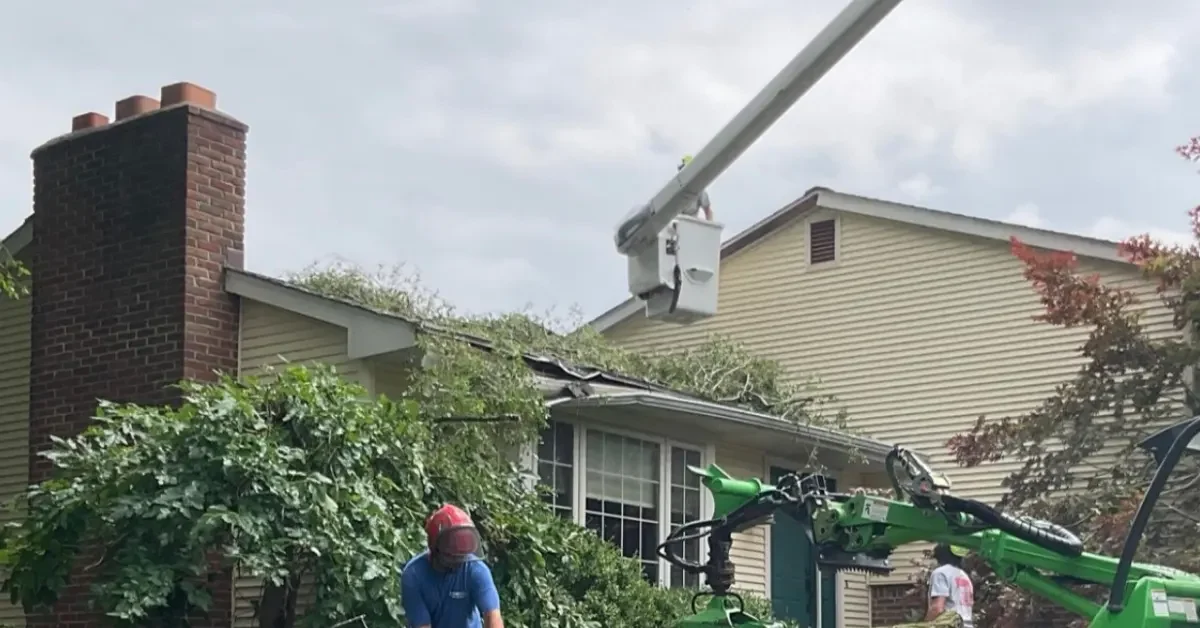
A storm rolls through Fenton in the middle of the night. You hear the crack before you feel the shudder, and by morning there’s a large limb across your roof or a full tree leaning against your fence. The first instinct for most homeowners is to grab their phone and start calling.
Emergency tree service is one of those things people never research until they need it immediately. That urgency, combined with a lack of information about what the process actually looks like, often leads to confusion, delays, or rushed decisions that don’t work out well.
This article walks through exactly what happens when you call for emergency tree service in Fenton and the surrounding area, what you should do before the crew arrives, and what to watch for so you don’t get taken advantage of during a stressful moment.
What Counts as a Tree Emergency
Not every urgent tree situation is the same, and understanding the difference helps you describe your situation accurately when you call.
Imminent structural threat. A tree or large limb has fallen on or is actively pressing against your home, garage, vehicle, or another structure. This is the highest-priority situation because structural integrity is at risk and the pressure from the weight can cause secondary damage over time.
Downed limbs blocking access. A fallen tree or large limb is blocking a driveway, road, or access point in a way that prevents normal movement or creates a public hazard. This is urgent but typically less critical than a structured contact situation.
Hazardous lean after a storm. A tree that was previously upright is now leaning significantly due to root upheaval, trunk failure, or saturation of the soil around its root zone. If the lean is toward a structure or occupied area, this requires prompt attention even if the tree has not yet fallen.
Contact with power lines. If a fallen tree or limb is in contact with power lines, stop. Do not attempt to move it, cut it, or touch anything connected to it. Contact your utility provider first. Tree crews cannot legally or safely work on lines with active current, and attempting to do so without coordination with the utility company is dangerous.
The FEMA program covering tree trimming and emergency tree removal reimbursement after declared disasters outlines how emergency tree situations are categorized for response priority. Understanding that distinction between immediate hazard and general storm cleanup helps you frame your situation clearly when you call.
What Happens When You Call Holtslander for an Emergency
The sequence matters, and knowing it in advance helps you move through it without stress.
First contact. When you call, describe the situation as specifically as you can. Where is the tree? What has it hit or is it threatening? Is there visible damage to the structure? Has anyone been injured? The more clearly you describe what is happening, the more accurately the crew can prepare for what they will encounter.
Scheduling and dispatch. Emergency calls are triaged by severity. Active structural contact situations are prioritized over general storm debris. Response times vary depending on call volume following a storm. After major weather events in Genesee County, emergency tree service demand spikes sharply, and it is not unusual for multiple neighborhoods to be dealing with similar situations simultaneously.
Arrival and assessment. When the crew arrives, the first thing they do is assess the situation before touching anything. This is not a delay. It is a necessary safety step. A tree resting against a structure may have shifted its weight during the fall in ways that make cutting it unpredictably dangerous without understanding the load points. Assessment takes a few minutes and determines the safest sequence for removal.
Safe removal sequence. In structural contact situations, the crew typically works from the smaller end of the fallen material toward the load-bearing sections, relieving weight gradually rather than cutting at the base and risking sudden movement. This is where experience in emergency work becomes directly relevant.
Debris management. Emergency work often involves leaving larger log sections on site temporarily and clearing the immediate hazard first. Full cleanup and debris hauling may be scheduled as a follow-up job once the emergency portion is resolved.
What Information to Gather Before Calling Emergency Tree Service
Emergency situations move faster when the tree service team has accurate information from the start. Before calling, gather as many of the following details as possible:
- Your address and contact information
- Photos of the damage from a safe distance
- Whether the tree has fallen on a home, garage, vehicle, fence, or other structure
- Whether power lines are involved
- Whether the tree is blocking a driveway, road, or access point
- Whether anyone has been injured
- Whether the tree is still shifting, leaning, or showing signs of further failure
- Any visible roof, siding, or structural damage
Providing these details helps dispatch the right equipment and personnel, which can speed up response times during major storm events.
What We Commonly See in the Field After Fenton-Area Storms
Fenton and the Genesee County region experience the full range of Michigan weather. Late spring and early summer bring strong thunderstorms with high winds and occasional straight-line wind events that cause widespread tree damage quickly. Ice storms in late fall and early winter create a different kind of failure pattern: gradual overloading of branches that eventually snap under accumulated ice weight.
The National Weather Service’s thunderstorm safety guidance notes that winds during severe thunderstorms can exceed 60 mph, which is sufficient to uproot shallow-rooted trees, snap co-dominant stems, and break large limbs from otherwise healthy trees. These are not just old or diseased trees. Storms affect structurally sound trees too, particularly when the ground is saturated and root anchorage is reduced.
What we see most often after Fenton-area storms:
Whole tree failures from root upheaval. Trees growing in consistently wet areas or those with shallow root systems due to compacted or clay-heavy soil are most vulnerable to toppling when storms deliver high winds and saturated ground together. Once the root plate begins to lift, the tree goes quickly.
Co-dominant stem failures. Trees with two or more major trunks growing from near the base often develop weak attachment points as the stems compete for space. These junctions fail under wind or ice loading and can produce dramatic limb failures with little warning.
Widow makers still in the canopy. After a storm, some broken branches hang partially suspended in the canopy above, held by other branches or by strips of bark. These are among the most dangerous post-storm hazards because they are not obvious from the ground and can fall without warning. Assessment of the full tree after a storm is essential for identifying these.
What to Do While Waiting for the Emergency Tree Crew
There are useful steps you can take after a storm to prepare for the crew’s arrival, and equally important steps you should avoid.
Do: Keep people away from the affected area. Establish a safe buffer around any tree that has fallen on or near a structure. The area directly beneath any obviously damaged tree should be treated as off-limits until a professional has assessed it.
Do: Document the damage with photos. For insurance purposes, photograph the scene before any work begins. Capture the fallen tree, the contact point with the structure, and any visible damage from multiple angles. This documentation supports any claim you file.
Do: Note any utility contact. If any part of the fallen tree appears to be touching or near power lines, communicate this clearly when you call. The crew needs to know before arrival.
Do not: Attempt to cut or remove material yourself. A tree resting against a structure is under tension and compression in ways that are not obvious. Cutting the wrong section can release that tension suddenly, causing the load to shift in unpredictable directions. This is how serious injuries happen in post-storm situations.
Do not: Move anything touching a power line. This cannot be overstated. Do not approach, touch, or attempt to move any tree material that is in contact with a utility line until the utility company has confirmed the line is de-energized.
Why Storm-Damaged Trees Are Too Dangerous to Remove Yourself
Storm-damaged trees can shift unexpectedly due to hidden tension and unstable weight distribution. Cutting the wrong section can cause sudden movement, serious injury, or additional property damage. Trees near structures or power lines should always be handled by trained professionals.
Will Insurance Cover Emergency Tree Removal?
Most homeowner’s insurance policies cover damage caused by a fallen tree to your home or other structures on the property. Coverage for removing a tree that fell but did not hit anything is less consistently covered and depends on your specific policy.
Calling your insurance company promptly after a storm-related tree incident is worth doing even before you fully understand what is covered. Most policies require that you report damage in a timely manner, and many adjusters want to see the scene before significant cleanup or repair work is done.
Your tree service company can provide a written invoice that documents the scope of emergency work performed. That documentation becomes part of your claim file.
Common Emergency Tree Service Calls in Fenton
- Tree fallen on house
- Tree on garage
- Tree blocking driveway
- Tree on vehicle
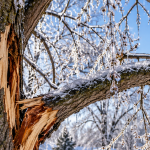
- Split tree after storm
- Large branch through roof
- Tree leaning toward home
- Storm-damaged tree near power lines
Warning Signs You Should Call Emergency Tree Service Right Away
- Tree touching your home
- Tree contacting power lines
- Tree blocking access
- Large cracked limb hanging overhead
- Tree suddenly leaning after a storm
- Root plate lifting from the ground
Frequently Asked Questions About Emergency Tree Service
How fast can Holtslander respond to an emergency tree situation?
Response times depend on the severity of the situation and call volume at the time. Active structural contact emergencies are given priority. During and immediately following major storm events, multiple calls come in simultaneously, and the crew works through them based on severity. Calling promptly and describing the situation accurately helps ensure the right priority is assigned.
Is emergency tree service more expensive than regular tree removal?
Emergency situations often involve after-hours response, more complex working conditions, and faster mobilization, which typically affects pricing compared to a standard scheduled removal. Getting a clear estimate before work begins, even during an emergency, is reasonable and any reputable company will provide one.
What if my neighbor’s tree fell onto my property?
General legal guidance holds that property damage liability depends on whether the tree owner had prior notice of a hazard. If a neighbor’s healthy tree fell during a storm, your homeowner’s insurance is typically the first line of coverage for damage to your property. If the tree was visibly dead or hazardous and you had notified your neighbor, the situation may be different. Consult your insurer and, if necessary, legal counsel.
Can I stay in my house if a tree has hit it?
That depends on the severity of the impact. A small limb on a shed roof is different from a large trunk through a bedroom wall. When in doubt, leave the affected area until a professional has assessed whether the structure is safe. Your safety comes before the tree removal.
What does the crew do about my roof if a tree has fallen on it?
Emergency tree service removes the tree material, but roofing repair is a separate trade. Once the tree is off the structure, tarping of exposed areas is sometimes offered as a temporary measure to prevent additional water damage until a roofer can assess and repair the damage.
Does Holtslander handle emergency service in areas outside Fenton?
Yes. The service area covers communities throughout Genesee County and surrounding areas. When you call, provide your address so the crew can route appropriately.
Need Emergency Tree Service in Fenton? Here’s Your Next Step
Storm-damaged trees can become more dangerous as conditions change. If a tree has fallen on your home, vehicle, or property Contact Holtslander & Sons for emergency tree service in Fenton and throughout Genesee County. Our team can assess the situation, secure the area, and remove hazardous trees safely and efficiently.