August 14, 2026
Key Takeaways
- Dead trees attract more than woodpeckers because decaying wood creates shelter and food for insects, birds, and small animals.
- Once a tree dies, its wood weakens quickly, making falling limbs and trunk failure more likely during storms.
- Pests such as carpenter ants, beetles, and other wood-destroying insects may move into dead trees and spread to nearby healthy trees or structures.
- Weather, root decay, and hidden internal damage can turn a standing dead tree into an emergency hazard with little warning.
- Professional removal is often the safest and most cost-effective way to prevent injury, property damage, and pest problems.
Dead trees can become dangerous, attract pests, and quietly threaten the health of nearby trees and structures. What may look like a standing trunk in the yard is often a declining structure losing strength from the inside out. Dead trees are especially deceptive because they may remain upright long after they stop being alive. Woodpeckers are often the first obvious visitors, but they are only one part of the bigger picture. Insects, fungi, rodents, and weather-related failures all become more likely once a tree dies.
Without active defenses, the tree begins to decay, crack, and shed limbs. That creates a hidden risk for homeowners who may not realize how unstable the tree has become. In many cases, waiting too long turns a manageable removal into an emergency response.
What Makes Dead Trees Dangerous?
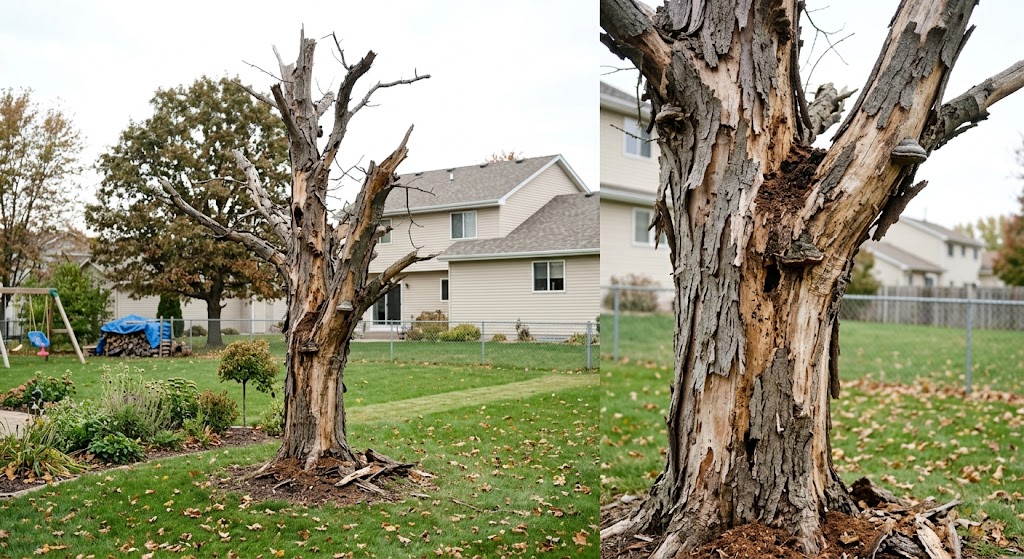
Dead trees lose the living tissue that helps resist decay and support branch strength. As moisture changes and fungi break down the wood, the tree becomes brittle and less predictable. A tree can appear stable from a distance while being structurally weak inside.
The danger increases when dead trees are close to houses, garages, driveways, fences, or utility lines. Large limbs can break without warning, especially in wind, snow, or ice. If the roots are also compromised, the entire tree may topple. Many property owners assume a dead tree is safe if it has not fallen yet. In reality, standing dead trees can fail suddenly, especially after storms or freeze-thaw cycles. That is why dead trees should be treated as hazards, not just landscape clutter.
Why Dead Trees Attract More Than Just Woodpeckers
Woodpeckers are often drawn to dead trees because insects living inside the wood provide an easy food source. Their activity is often a sign that the tree is already hosting pest populations. Once decay advances, dead wood also becomes a nesting or hiding place for other wildlife.
Wood-boring beetles, carpenter ants, termites, and similar insects are commonly attracted to weakened wood. Some feed directly on the decaying material, while others use the tree as shelter before spreading to nearby wood. Small mammals may also use cavities in dead trees for nesting. This matters because pest activity is rarely limited to the tree itself. Nearby healthy trees, mulch, firewood, sheds, and even home structures can become exposed. A dead tree left standing too long may become a launch point for broader property damage.
How Pests Spread from Dead Trees
Dead trees often act like a magnet for insects because the wood is easier to enter and colonize. As decay progresses, the tree becomes a more suitable environment for nesting, feeding, and breeding. That makes it much more attractive than a healthy, living tree. Once pests settle in, they can move outward to other parts of the property. Carpenter ants may travel to damp or damaged wood nearby, while some beetles can affect weakened trees in the surrounding landscape. If the dead tree is close to a home, the risk of pest movement increases. This is especially important in yards where dead wood or stumps are left behind. Those materials can continue hosting insects long after the tree dies. Removing the tree and managing the stump helps reduce long-term pest pressure.
How Weather Makes Dead Trees Worse
Michigan weather can speed up decay and raise the risk of failure in dead trees. Heavy rain softens soil around roots, strong winds push on weakened trunks, and ice adds dangerous weight to brittle branches. Even moderate storms can trigger breakage once wood has dried out and weakened.
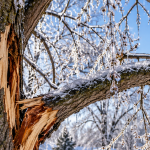
Freeze-thaw cycles are also a major concern. As temperatures swing above and below freezing, cracks can widen and hidden weaknesses can worsen. A tree that survives one season may fail in the next if the internal damage continues. Because of this, dead trees should be inspected before storm season whenever possible. The longer they remain standing, the more unpredictable they become. A proactive removal is usually far safer than waiting for a weather event to expose the problem.
Signs A Tree Is Dead
Some dead trees are easy to spot, but others show only subtle warning signs.
Common indicators include –
- no leaf growth during the growing season
- brittle branches
- peeling bark
- fungal growth, and
- large sections of canopy dieback
- Hollow or soft-sounding wood can also point to serious decay.
At the base of the tree, you may notice insects, sawdust-like material, or soil movement around the roots. A leaning trunk, major cracks, or branches that break easily are additional signs that the tree is no longer sound. Repeated woodpecker activity can also signal an underlying infestation.
If you’re unsure about a tree’s condition, an experienced tree service firm in Fenton, MI can perform a professional assessment to determine whether a tree is simply stressed or completely dead and beyond saving. They can accurately identify the difference and recommend the most appropriate course of action.
Why Removal Is Usually Best
Dead tree removal is often the safest way to protect your property before a failure occurs. It
- eliminates the hazard
- reduces pest habitat,
- prevents branches or trunks from causing damage during storms
In many cases, early removal is less expensive than emergency cleanup later. A removed dead tree can –
- improve the usability of your yard
- opens space
- improves visibility, and
- reduces the constant worry of falling debris.
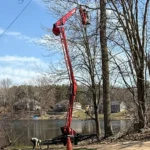
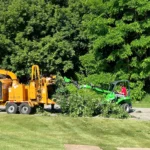
If desired, stump grinding can further reduce trip hazards and pest activity. Professional removal is especially important for large trees or trees near structures. These jobs often require controlled dismantling, rigging, or crane assistance. That level of care helps prevent damage to the property during the process.
Holtslander & Sons Tree Service uses professional-grade equipment, provides free estimates, and offers support for storm-damaged trees that need immediate attention. For homeowners dealing with a dead tree near a home, driveway, or utility line, that combination of speed and experience can make a major difference.
Frequently Asked Questions About Dead Trees in Fenton, Michigan
How can I tell if a dead tree is dangerous?
A dead tree is dangerous when it has brittle limbs, trunk cracks, root instability, or is located near structures or areas people use often. Even if it looks upright, internal decay may already make it unsafe.
Do dead trees always attract insects?
Not every dead tree will host the same pests, but decaying wood commonly attracts insects such as beetles and carpenter ants. Woodpecker activity may also indicate that insects are already present.
Can a dead tree stay standing for a long time?
Yes, some dead trees stand for months or years, but that does not mean they are safe. Structural failure can happen suddenly, especially during storms or high winds.
Should I remove a dead tree myself?
DIY removal is risky, especially for large trees or trees near a home, fence, or power line. Professional tree crews have the tools and training to remove dead trees safely.
Is stump grinding necessary after tree removal?
It is not always required, but stump grinding helps reduce trip hazards, improve appearance, and limit pest habitat. It is often a smart finishing step after removal.
Summary Checklist: Dead Tree Safety and Pest Risk Management
| Task | Priority | Recommended Action |
| Inspect Dead or Declining Trees | High | Schedule a professional evaluation as soon as possible |
| Watch for Pest Activity | High | Look for woodpeckers, beetles, ants, or sawdust-like debris |
| Check Structural Stability | Critical | Look for cracks, leaning, brittle limbs, or root failure |
| Protect Nearby Property | High | Prioritize trees near homes, driveways, fences, and utility lines |
| Remove Hazardous Trees Early | Critical | Do not wait for storm damage or limb failure |
| Grind the Stump if Needed | Moderate | Reduce trip hazards and future pest habitat |
Final Advice
Don’t ignore a dead tree. It can drop branches without warning, attract pests, and become a serious safety hazard. If it’s near your home, driveway, or other high-traffic areas, have it inspected right away. A professional arborist in Fenton, Michigan can determine whether the tree needs pruning, monitoring, or removal. After storms, check for leaning, cracks, or new dead branches, and choose a licensed, insured tree service to handle any hazardous work safely. Acting early helps prevent costly damage and keeps your property safe.